Privacy Idea: Cartoonize Yourself?
Is it a good idea to cartoonize yourself? If you want to keep you privacy and still show your face? This is an article for open discussion as I just started to use this to my marketing arsenal and open for experimentation - as always.

Is it a good idea to cartoonize yourself? If you want to keep you privacy and still show your face? This is an article for open discussion as I just started to use this to my marketing arsenal and open for experimentation - as always.
 Kevin Cummings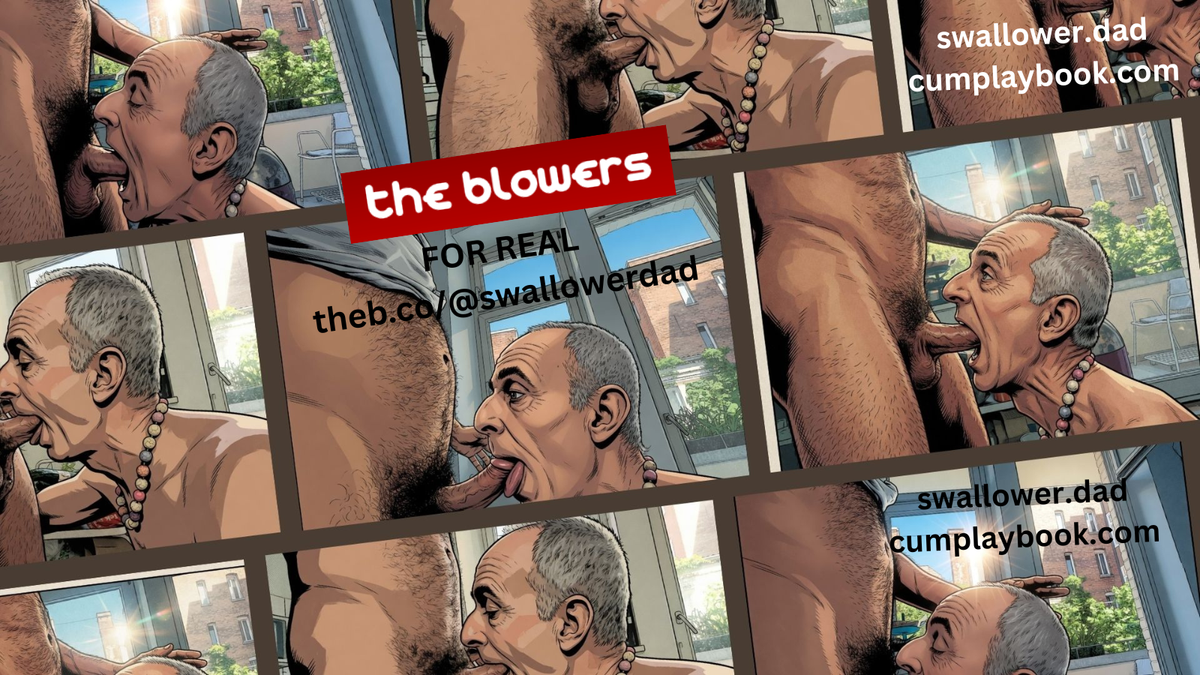
5 Pros of Cartoonizing Your Content
1. Facial Recognition Becomes Nearly Useless
Standard reverse image search tools and facial recognition algorithms (used by everything from Facebook to Clearview AI) are trained on photographs, not illustrations. When your face becomes a stylized drawing, automated systems struggle to match it back to your real identity. This is your strongest protection against casual doxxing.
2. Plausible Deniability
A cartoon is art. Even if someone thinks it looks like you, they can't definitively prove it's you. Unlike a photo where lighting, moles, tattoos, and room backgrounds serve as fingerprints, an illustration creates reasonable doubt. "That's just a character I created" is a defensible position.
3. Control Over Identifying Details
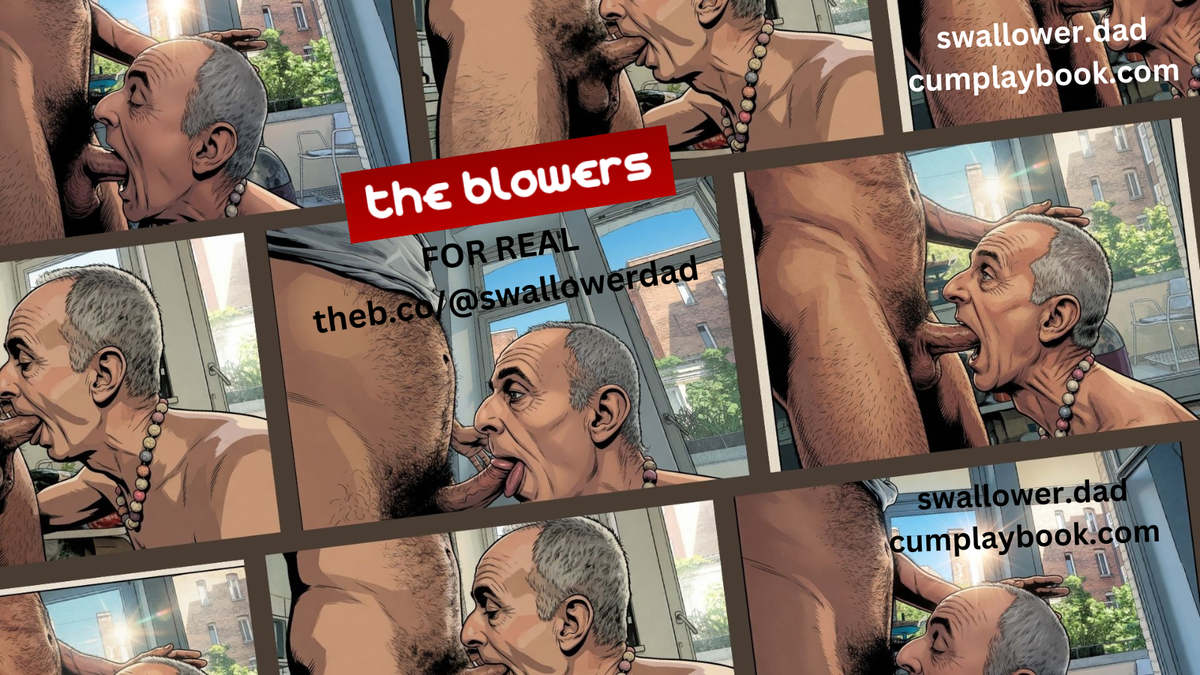
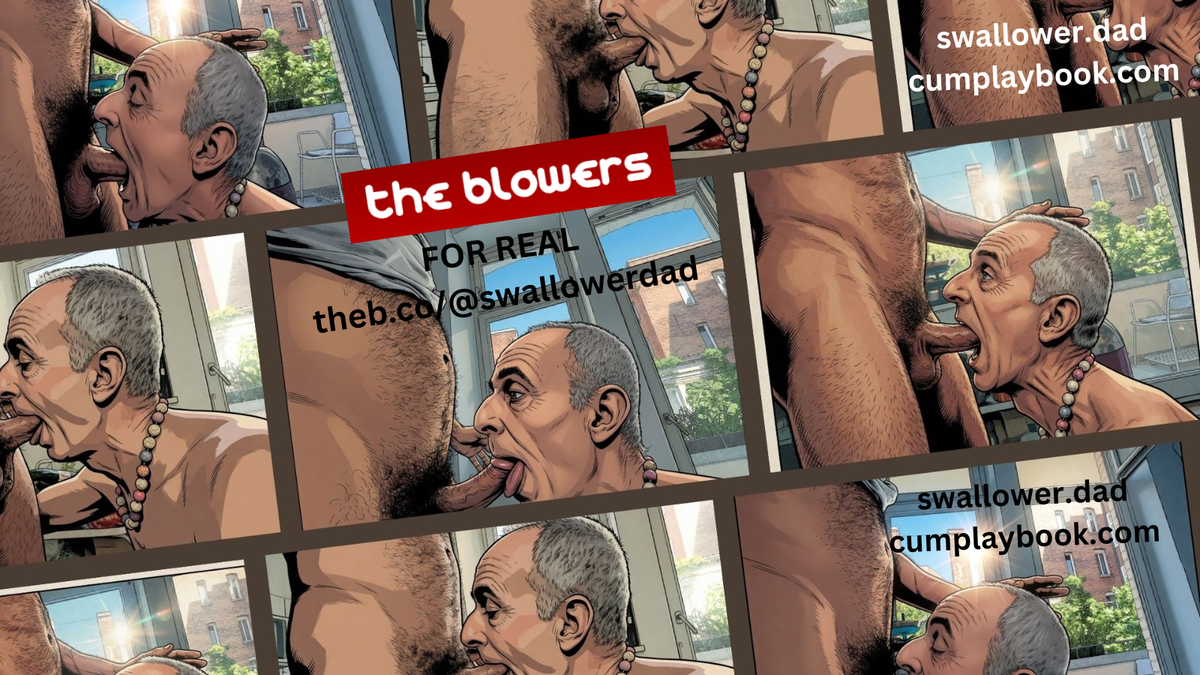
When you cartoonize, you control what stays and what goes. Remove that distinctive birthmark, change your hairline, obscure the unique architecture of your apartment visible in the window. You can keep the body type and energy that makes you attractive while stripping away the breadcrumbs that lead to your real-world identity.
4. Creative Expression Becomes Part of Your Brand
There's a reason comic book aesthetics have exploded in adult content — they look good. You're not just hiding; you're elevating. The stylized approach can become your signature, making you more memorable while paradoxically making you harder to identify. Win-win.
5. Protection Against Revenge Porn Laws' Gaps
In jurisdictions where revenge porn laws exist but are weak or inconsistently enforced, having your content in illustrated form creates ambiguity. Legal systems often move slowly on "artistic renderings" versus clear photographs, potentially giving you more time and leverage if someone tries to weaponize your content against you.
 Kevin Cummings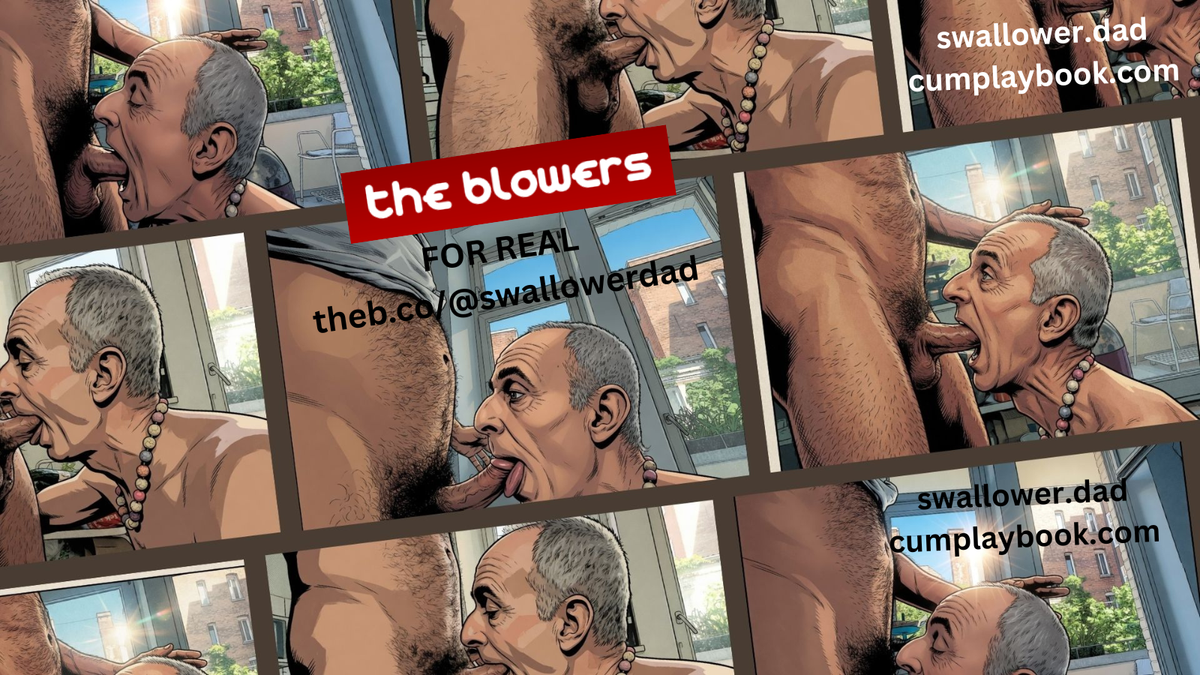
5 Cons (And Why They Matter)
1. AI Is Getting Scary Good at Reverse-Engineering
Here's the reality: AI tools can increasingly reconstruct realistic faces from stylized art. If someone has reason to believe the cartoon is you and has access to your real photos (even innocent ones from social media), emerging AI could potentially bridge that gap. This protection has an expiration date.
2. Your Digital Fingerprint Extends Beyond Your Face
Look at that example image again. Notice the room? The window view? The body hair patterns, the specific jewelry, the hand positioning? You are more than your face. If you post cartoonized content alongside text that mentions your city, your job, or other photos of your apartment, you're building a composite picture that cartoonization won't fully protect.
3. Metadata and Platform Tracking Don't Care About Art
Unless you're scrubbing EXIF data and using VPNs, the file you upload knows things. Where you created it. What device you used. Platforms have this data even if viewers don't. Cartoonization protects against public identification, not platform identification. If a data breach happens or a platform cooperates with legal requests, the art doesn't save you.
4. Unique Anatomy Is Still Identifiable
Let's be direct: genitals are as unique as faces. If you've shared intimate photos with partners who know your body, and then you post cartoonized versions of that same anatomy, recognition is absolutely possible. The curve, size, proportions, skin tone — these translate through art. Someone who's seen you naked will recognize you in the illustration.
5. The "Stylized But Still You" Paradox
The more accurate the cartoonization (which you want for hot content), the less protection it offers. If the art preserves your exact body type, your specific sexual preferences, your voice (in videos), your mannerisms, and your environment, you're creating a recognizable persona that can be tracked across platforms and potentially connected back to you through context clues.
The Bottom Line
Cartoonization is a tool, not a shield. It significantly raises the difficulty of identifying you from casual viewing and automated systems, which is genuinely valuable. For gay and bi men in conservative areas, those in professional fields where being out could cost careers, or anyone exploring their sexuality privately, it's a smart layer of protection.
But it's not magic. Combine it with:
- Metadata scrubbing
- Consistent pseudonyms
- VPN usage
- Being mindful of background details
- Understanding that anyone you've been intimate with in person may recognize stylized depictions
 Kevin Cummings
 Kevin Cummings